Sign in. It’s quick, free and it’s up to you.
An account is an optional way to support the work we do. Find out more.
Sign in. It’s quick, free and it’s up to you.
An account is an optional way to support the work we do. Find out more.
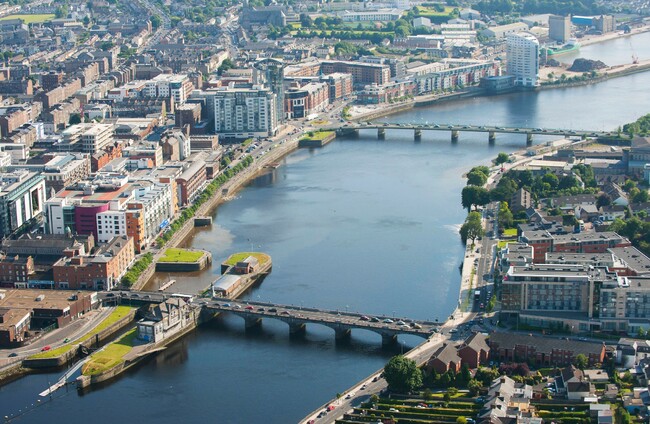
US BUSINESS MAGAZINE Forbes has removed an article about John and Patrick Collison from its website after it was criticised for describing Limerick as “stab city”.
The profile piece about the two tech billionaires, who founded the financial services company Stripe, outlined how the pair had “escaped” the city and “made $11 billion”.
“Some call it stab city,” it read.
“Many folks think Ireland is all rolling green hills and five-star golf courses. But in the middle of the Irish countryside is a city called Limerick — known as the ‘murder capital’ of Europe.”
The article further described Limerick as a “warzone” because of a gang feud, and claimed that “shootings, pipe bomb attacks, and stabbings” happened there every night.
“Some bad neighbourhoods are even walled off by a dirty graffitied 10-foot-high barrier, like the Berlin Wall,” it continued.
“It’s the kind of place, as my grandfather says, ‘Where even German Shepherds walk around in pairs’.”
The article want viral online last night, prompting a backlash from both Collison brothers, local TDs and other residents of the city.
“Not only mistaken about Limerick but the idea of ‘overcoming’ anything is crazy. We are who we are because we grew up where we did,” Patrick Collison tweeted.
John Collison described the piece as “daft”.
Limerick TD and Minister for the Office of Public Works and Flood Relief Patrick O’Donovan called on Forbes and the author of the piece to apologise to the people of Limerick “for the insult and hurt caused” by the article.
“I am calling on them to come to Limerick where I will gladly set the record straight in respect of what our county and city has to offer as opposed to what your work of fiction depicts,” he said. “Please let me know when suits to visit.”
Fianna Fáil’s Niall Collins, who is Minister of State at the Department of Higher Education, described the piece as a “disgraceful description of Limerick, home to so many fine and decent people”.
The article was later removed from Forbes’ website last night.

To embed this post, copy the code below on your site








have your say